Showing posts with label Olive oil. Show all posts

Wednesday, July 23, 2014

Does Scent Carry Olive Oil's Secret?

Oil tasting, BAIA October 2006 Wine Tasting, C...
Oil tasting, BAIA October 2006 Wine Tasting, California, USA (Photo credit: Wikipedia)
A 1-liter glass bottle and bowl Bertolli brand...
A 1-liter glass bottle and bowl Bertolli brand Riserva Premium extra virgin olive oil. Olive oil from Italy, Greece, Spain, and Tunisia, and bottled and packed in Italy. Olive oil purchased in a Stow, Ohio store. Photographed in Kent, Ohio, United States. (Photo credit: Wikipedia)
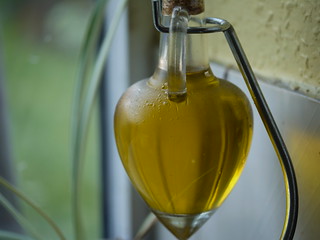
Olive Oil
Olive Oil (Photo credit: Smabs Sputzer)
23-July-2014


Well, it's been about 2 years since my last post, and since I stopped writing articles due to work constraints, I just decided to collect papers so one day (and that is now), I would be able to type in selections. This is one, and I have a whole stack of year-old papers but timeless and priceless artifacts. Read on....
-----


by Anahad O'Connor


Why is olive oil, the crown jewel of the Mediterranean diet, so good for your health?

Nutrinionists points to its abundance of antioxidants and oleic acid, a monounsaturated fat that protects the heart. But new research suggests that some of the benefits of olive oil might be contained in its aroma.

The research found that compared with other oils and fats, extra virgin olive oil was more likely to increase a person's feelings of satiety after a meal.

But another phase of the study showed that imparting the scent of olive oil to food -- by adding an aromatic extract -- reduced the amount of calories people in the study consumed and improved their blood sugar response.

The senses of smell and taste, it is well known, are two senses that are strongly tied together.

Previous research has shown that manipulating the aroma of certain foods can influence the amount of them that people choose to eat. Intensifying the smell and flavor of a dessert, for example, can prompt people to take smaller bites.

The goal of the new study was to look at the factors that make some foods more filling than others.

Many products in supermarkets attract buyers with labels saying "low-fat," but eating low-fat foods can cause people to compensate by overeating later, said Dr. Malte Rubach, a nutritional scientist who conducted research with colleagues at the German Research Center for Food Chemistry, a government-financed institute based outside of Munich that published the report.

"We wanted to see whether there was a way to reduce the fat content of food without losing its taste or aroma," he said.

The researchers, who received no funding from producers of olive oil, began the study by comparing the effects of four different fats on feelings of satiety: lard, butter, olive oil and canola oil. Canola oil has less monounsaturated fat than olive oil, but less saturated fat as well, and is often recommended along with olive oil as a healthy alternative to other cooking oils.

The researchers recruited 120 people and randomly split them into five groups. The participants were told to eat 500 grams of yogurt every day for three months. In four of the groups, the yogurt was enriched with one of the four fats. The fifth group, which served as the control, ate plain, zero-fat yogurt.

The subjects were followed closely and regularly given blood tests. They were not told specifically what was in their daily yogurt, though for ethical reasons they were informed that it might be enriched with animal or plant-derived fats, Dr. Rubach said.

After eating their yogurt, the olive oil group showed the greatest increases in blood levels of serotonin, a hormone associated with satiety. They also reduced their caloric intake most days to compensate for the extra yogurt, which prevented them from gaining weight, a pattern that was also seen in the butter and control groups.

The canola and lard groups, however, did gain weight during the study period. Instead of cutting back on other calories, they added the yogurt to what they were eating on a regular basis.

"You could see that those who felt satiated reduced their total energy intake," Dr. Rubach siad, "whereas the others didn't reduce their energy intake and they gained some weight."

The researchers were particularly surprised to see that weight and body fat increased in the group that was fed canola oil, despite health properties that are similar to olive oil's. So they designed the next phase of the study to see whether something other than the nutrients in the two oils accounted for their different impacts.

This time, subjects were split into two groups that were given zero-fat yogurt.

In one of the groups, the yogurt was mixed with an aroma extract that imparted the scent of olive oil without adding any fat.

Those who ate the plain yogurt showed a drop in serotonin levels and reported less satiation after eating it.

They also did not cut back on other calories to compensate; instead their intake increased an average of 176 calories a day.

The group eating the olive-oil scented yogurt, meanwhile, reduced their calories from other foods and showed better responses on glucose tolerance tests,which measure blood sugar control. Abrupt swings in blood sugar are part of what drives hunger and satiation.

The researchers attributed the impact of the olive oil scent to two compounds that are particularly abundant in Italian olive oils, including hexanal, which is said to resemble the scent of fresh cut grass.

Dr. Rubach siad that because the study was small, it would not be a good idea to draw any general recommendations from it.

But the findings suggest that consumers should be aware that the physiological impact of a meal is not limited to what they can see on the plate.

"This is the first time where we've really looked at the effects that things other than fatty acids, protein and carbohydrates have on satiety," he said. "Everything that completes our impression of a meal can have an impact."


-----
Taken from TODAY Saturday Edition, April 13, 2013

Monday, December 19, 2011

Green bean casserole, Baked baby eggplants, etc.

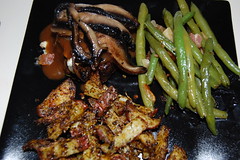
Español: Berenjenas encurtidas de AlmagroImage via WikipediaAubergines from http://www.usda.gov/oc/photo/9...Image via WikipediaFilet Steak, Green Beans, and Roasted PotatoesImage by Sea-Turtle via Flickr20-Dec-2011

I was going through some recipes, and i realized that the articles are copyrighted materials. This prevents me from copying over the items into my blog, since I haven't got any permission from the authors/owners.

Therefore, here are the links. Hopefully, these are superb dishes, and healthy ones as well.

Enjoy!


Green bean casserole from the Osceola Sentinel-Tribune


Baked baby eggplants & String beans and potatoes from FOX News Network


The Picayune Creole Cook Book from New Orleans Net LLC

 
Enhanced by Zemanta

Tuesday, October 18, 2011

Tuscan kale and white bean ragout

Black and white peppercornsImage via WikipediaThis is an article lifted from Heraldnet.com, and it tells the value in food when it is home-cooked, much like comparing a piece of furniture that is handcrafted with one that is coming from an assembly line...
-----


It's time to put the value back into the value meal.

That's the rallying cry of a new movement that's sweeping the nation's dinner tables.

Slow Food USA's $5 Challenge is part of a larger Food Day celebration scheduled for Oct. 24.


To read on, follow the source article here:
The real value meal: Home-cooked and cheaper than fast food
By Jackson Holtz, Herald Writer


-----


And here is the recipe from the same article:


Tuscan kale and white bean ragout

This recipe easily can be enhanced with leftover chicken, a stewed chicken carcass, or pasta. Make it a soup by adding more broth.


  • 2 tablespoons olive oil
  • 1 bay leaf
  • 2 cloves garlic, smashed and roughly chopped
  • ¼ teaspoon crushed red pepper
  • 1 small red onion, sliced
  • 1½ pounds Tuscan kale,* rinsed, patted dry and cut crosswise into 1-inch-wide slices
  • ¼ teaspoon freshly ground black pepper, plus more if needed
  • 2 15-ounce cans no-salt-added cannellini beans or white beans, drained and rinsed
  • 1 cup canned no-salt-added diced tomatoes, with their juices
  • ½ cup vegetable stock or canned low-sodium vegetable broth
  • ½ teaspoon kosher salt
  • Extra-virgin olive oil, for drizzling


  1. Heat the olive oil in a large saute pan over medium-high heat. When it is hot, add the bay leaf, garlic, crushed red pepper and red onion. Cook until the onion begins to wilt and the garlic begins to turn golden around the edges, 3 to 4 minutes. 
  2. Add the kale and pepper, and cook for another 2 minutes. Then add the white beans, tomatoes and stock. Cover, and cook until the kale is wilted and cooked through, about 15 minutes. Taste and season with up to ½ teaspoon salt.
  3. Transfer the ragout to a serving dish, and drizzle it with extra-virgin olive oil. Serve hot.

Per Serving: calories 410; fat 16 g; sat fat 2 g; protein 17 g; carbs 53 g; fiber 13 g; cholesterol 0 mg; sodium 410 mg.

*Tuscan kale is also known as lacinato kale, black kale and dinosaur kale.

Makes 4 servings

Adapted from "Farm to Fork" by Emeril Lagasse

Courtesy of Food Day

Enhanced by Zemanta

Saturday, October 15, 2011

Olive oil could lower stroke risk, says study

Posted: 16 June 2011

A person spread olive oil on bread in France. (AFP/File/Fred Dufour)
WASHINGTON: Older people who eat olive oil have a lower risk of stroke than those who do not, suggested a study of more than 7,000 French people that was published on Wednesday in the United States.

Researchers at the National Institute of Health and Medical Research in Bordeaux, France followed 7,625 people age 65 and older from three cities - Bordeaux, Dijon and Montpellier - for a period of five years.

During that time, there were 148 strokes. The subjects were divided into groups according to their use of olive oil, ranging from people who did not use it at all to those who used it in dressing, cooking and on bread.

When researchers adjusted for factors such as body weight, physical activity and overall diet, they found that the so-called "intensive" olive oil users had a 41 percent lower risk of stroke compared to those who never ate olive oil.

"Our research suggests that a new set of dietary recommendations should be issued to prevent stroke in people 65 and older," said study author Cecilia Samieri.

"Stroke is so common in older people and olive oil would be an inexpensive and easy way to help prevent it."

The findings were published in Neurology, the medical journal of the American Academy of Neurology.

- AFP/de


Taken from ChannelNewsAsia.com; source article is below:
Olive oil could lower stroke risk, says study

Sunday, September 4, 2011

Olive oil could lower stroke risk, says study

Olive oil is gaining ground!
-----

Posted: 16 June 2011

A person spread olive oil on bread in France. (AFP/File/Fred Dufour)
WASHINGTON: Older people who eat olive oil have a lower risk of stroke than those who do not, suggested a study of more than 7,000 French people that was published on Wednesday in the United States.

Researchers at the National Institute of Health and Medical Research in Bordeaux, France followed 7,625 people age 65 and older from three cities - Bordeaux, Dijon and Montpellier - for a period of five years.

During that time, there were 148 strokes. The subjects were divided into groups according to their use of olive oil, ranging from people who did not use it at all to those who used it in dressing, cooking and on bread.

When researchers adjusted for factors such as body weight, physical activity and overall diet, they found that the so-called "intensive" olive oil users had a 41 percent lower risk of stroke compared to those who never ate olive oil.

"Our research suggests that a new set of dietary recommendations should be issued to prevent stroke in people 65 and older," said study author Cecilia Samieri.

"Stroke is so common in older people and olive oil would be an inexpensive and easy way to help prevent it."

The findings were published in Neurology, the medical journal of the American Academy of Neurology.

- AFP/de


Taken from ChannelNewsAsia.com; source article is below:
Olive oil could lower stroke risk, says study

Enhanced by Zemanta

Thursday, July 28, 2011

Frittata to the rescue!

A frittata.Image via WikipediaYou could be wondering, to the rescue of what?
I will name two here: health, primarily, and budget.

Most thankful to the author of this article, and the recipe.

Read on!
-----


Colorful, Cheap and Healthy – Name This Dish


What can be served as an antipasto, a main dish, or a snack; can be made using vegetables, from asparagus to zucchini, or nearly any other savory ingredient on hand, including spaghetti or smoked salmon; and is equally good served freshly made and hot or leftover at room temperature? A clue: This Mediterranean dish is made with eggs.

Frittata is the answer.

A frittata is one of the most budget-friendly and healthful dishes around. Even with today's ever-increasing food prices, six eggs plus some cheese provide four servings of good protein at reasonable cost. Loading a frittata up with vegetables and herbs from your garden or the market makes it a smart one-dish meal, too.

I find people often have two issues about making a frittata. First, they fear flipping it. Sliding it under the broiler will cook any soft egg left in the center and brown the frittata's top, but you need a pan that fits and has a handle that can stand the heat. And in summer, the oven sure heats up the kitchen. I prefer the slide, cover and flip method described below. If the frittata should stick or break, it will taste great even if it comes to the table looking more like super scrambled eggs.

Watery frittata is the other fear, especially when using spinach, chard or squash, which all contain lots of water. The solution is cooking the vegetables well to drive out most of their moisture. Here, the squash, zucchini, is even browned, which also increases its flavor in the frittata. Mixing cheese into the eggs rather than sprinkling it over the frittata's top, also reduces wetness.

When fresh basil is not readily available, chopped scallions make a good alternative.

Zucchini and Onion Frittata

  • Cooking spray, preferably olive oil
  • 1/2 cup finely chopped onion
  • 1 tsp. finely chopped garlic
  • 8 oz. zucchini, cut into 1/8-inch rounds
  • 4 large eggs
  • 2 large egg whites
  • 2 Tbsp. grated Parmesan cheese
  • 1/2 tsp. salt
  • Ground black pepper
  • 1/4 cup fresh basil, cut cross-wise into thin slices
  • 1 Tbsp. extra virgin olive oil
  1. Coat pan heavily with cooking spray and set over medium-high heat. Sauté onion until golden, 3-4 minutes. Mix in garlic and cook 1-2 minutes, until onion is lightly browned. Transfer contents of pan to plate to cool..
  2. Coat pan again with cooking spray and return to heat. Add zucchini and cook until slices look moist and translucent. Using tongs, keep spreading and turning zucchini to brown slices on both sides, 8-10 minutes, adding to onion mixture as zucchini slices brown. Wipe out the pan.
  3. In mixing bowl, whisk eggs and whites until well combined. Mix in cheese, salt and pepper. Add vegetables and basil, and mix with fork to combine with eggs.
  4. Add oil to pan and tilt pan to swirl oil around sides. Set pan over medium-high heat. Pour in egg mixture, spreading zucchini and onion in an even layer. As eggs start to set, use wide spatula to lift frittata around edges while tilting pan slightly so liquid egg flows out and under the edges. Cook until frittata is browned on bottom and set except in center, about 8 minutes. Off heat, invert large plate over pan. Pressing it firmly in place against the pan, invert the two so frittata falls from pan onto plate. Slide frittata back into pan and cook to lightly brown bottom, 1-2 minutes longer. Slide frittata onto serving plate. Serve immediately, or cool frittata to room temperature before serving. This frittata also can be covered and refrigerated overnight. Cut into 4 wedges, and serve.

Makes 4 servings.

Per serving: 138 calories, 9 g fat (2 g sat fat), 5 g carbohydrate, 9 g protein,
1 g fiber, 419 mg sodium.


Something Different is written by Dana Jacobi, author of 12 Best Foods Cookbook and contributor to AICR’s New American Plate Cookbook: Recipes for a Healthy Weight and a Healthy Life.
***
The American Institute for Cancer Research (AICR) is the cancer charity that fosters research on the relationship of nutrition, physical activity and weight management to cancer risk, interprets the scientific literature and educates the public about the results. It has contributed more than $95 million for innovative research conducted at universities, hospitals and research centers across the country. AICR has published two landmark reports that interpret the accumulated research in the field, and is committed to a process of continuous review. AICR also provides a wide range of educational programs to help millions of Americans learn to make dietary changes for lower cancer risk. Its award-winning New American Plate program is presented in brochures, seminars and on its website, www.aicr.org. AICR is a member of the World Cancer Research Fund International.

-----

Taken from FoodConsumer.org; source article is below:
Healthy Recipes: Zucchini and Onion Frittata

Enhanced by Zemanta

Monday, June 13, 2011

Hot and sweet: chili recipe

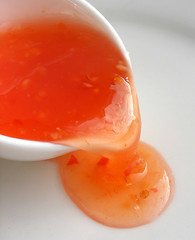
Sweet Chili SauceImage by FotoosVanRobin via FlickrFirst that I will post (repost) in my blog, here is a chili recipe that will serve both hot and sweet ingredients in your food.
-----

By Justin Kane; May 22, 2011

This chili made from Pabst Blue Ribbon will tickle your taste buds.

To me chili is one of the simplest and most pleasurable ways to experiment in the kitchen. No other recipe lends itself to interpretation in the ways that a chili recipe can. You may follow my recipe faithfully, but you'll often find that the best chili is born in a combination of personal taste and tolerance to spicy heat and loose adaptation of another's recipe. The following is what I have found to be the most crowd-pleasing pas de deux of heat and sweet.  
Cook Time: 2-3 hours 
Skill: Beginner
Yield: 8 servings
Ingredients:
  • 2 cups chopped yellow onion
  • 1 cup chopped shallot
  • 2 cloves garlic crushed
  • 2 tablespoons ground cumin
  • 1 teaspoon paprika
  • 1 tablespoon baking cocoa
  • 1 tablespoon basil
  • 1 tablespoon marjoram
  • Two 28oz cans crushed tomatoes
  • One 6oz can tomato paste
  • 32oz beef stock
  • Two 16oz cans red kidney beans
  • 3 tablespoons flour
  • 1 teaspoon balsamic vinegar
  • ½ can of Pabst Blue Ribbon beer
  • Tabasco, salt, black pepper, sugar, honey, crushed red pepper and bell pepper seeds to taste.
Directions:
In a large pot heat the olive oil, when hot sauté the onions, shallot, and garlic for approximately 5 minutes. Stir in the ground beef, chili powder, cayenne pepper, cumin, paprika, bell and poblano peppers. For additional depth of flavor you may try quick roasting the poblano pepper on your stovetop before chopping it. Cook for another 5 minutes. Stir in the crushed tomatoes, tomato paste, basil, marjoram, and baking cocoa, let simmer for 10 minutes. Next add the beef stock, red kidney beans, and balsamic vinegar. Lastly stir in the flour and the Pabst Blue Ribbon beer, cook for about two hours. Season to taste and enjoy.

-----

Taken from norwood.patch.com; source article is below:
Patch Recipes: Blue Ribbon Chili

Enhanced by Zemanta

The Best Barbecue Recipes - so they say!

Hot Barbecue (Hot Books)This is coming from The Telegraph, and one of the comments tells me there is more than simple reading the recipes - try them, and you'll taste the difference...
-----

21 May 2011

A selection of top chefs present their favourite barbecue recipes


Bill Granger's spicy chicken thighs
Serves 4
Ingredients
3 tbsp fish sauce
Black pepper
3 garlic cloves, crushed
2 large red chillies, minced
2 tsp sugar
8 boneless skinless chicken thighs
To serve
Cucumber and cashew salad:
3 tbsp lime juice
3 tbsp caster sugar
200g vermicelli 
2 cucumbers, halved and thinly sliced
Handful fresh mint leaves
4 spring onions, thinly sliced
2 tbsp cashew nuts, crushed
Whisk the fish sauce, pepper, garlic, chillies and sugar together. Put the chicken in a bowl and pour over half the marinade. Cover and refrigerate for 20 minutes (set the rest of the marinade aside).
Place chicken thighs on a hot barbecue and cook for about 5 minutes on each side until browned and just cooked through (how long depends on your barbecue).
While the chicken is cooking, add the lime juice and sugar to the marinade that you set aside. Stir until the sugar has dissolved to make a dressing.
Pour boiling water over the vermicelli and leave for a minute until soft. Drain under cold water, place in a bowl and add the cucumber, mint, onions and cashews. Add dressing, toss and serve with the chicken thighs.

Cooking meat, by Keith Goddard, head chef at 101 Pimlico Road (www.101pimlicoroad.co.uk)

Barbecue Nation: 350 Hot-Off-The-Grill, Tried-And-True Recipes from America's BackyardThe perfect barbecued steak
Serves 8-10
Ingredients
1 whole beef bavette
Salt and pepper
1 head of garlic, crushed
200ml extra virgin olive oil
1 stick rosemary
1/2 lemon, zest only
1 dried chilli, crushed roughly
6 whole pink peppercorns
1/2 tsp Maldon sea salt
To serve with:
warm bread
cucumber
a dressed green salad
Lay the beef bavette out on a worktop and let come to room temperature, about 45 minutes. In the meantime prepare your barbecue as desired, until the flames have died down and the barbecue has deep red embers and is very very hot – this is extremely important! It will take at least half an hour to achieve the correct intensity of heat.
Place the olive oil, rosemary, garlic, chilli, pink peppercorns, lemon zest and sea salt into a pan and warm gently either on a stove or on your barbecue. Do not get the oil too hot or let it smoke. Remove from the heat and allow to infuse for 20 minutes.
When your barbecue has reached the correct temperature and the grills are red hot (but not flaming), season your bavette well with salt and pepper. Place it on the barbecue and do not move for two minutes (for rare); two-and-a-half minutes for medium rare; or three minutes for medium. Then turn over and repeat on the other side.
Remove from the heat and leave to rest for 5-7 minutes in a warmish spot on a chopping board. Take a carving knife and cut the meat across the grain at centimetre intervals.
Brush with the infused oil and serve with warm bread, chopped cucumber and a dressed green salad.

Barbecue skewers, by Silla Bjerrum, managing director, Feng Sushi (www.fengsushi.co.uk)
Tips for barbecuing skewers
Always soak your skewers in water first, this will stop them burning.
Always marinade for at least two hours if you can, and overnight if possible. Ziplock bags are excellent for marinating.
Japanese cuisine provides brilliant inspiration for new skewer recipes – think yakitori chicken, teriyaki salmon, miso-marinated tofu, pork belly.

Mastering Barbecue: Tons of Recipes, Hot Tips, Neat Techniques, and Indispensable Know HowBarbecued spiced lamb skewers with Japanese slaw
Ingredients
500g diced lamb
100g red miso paste
100g yellow miso paste
2 tbsp caster sugar
2 tbsp sake (or dry sherry)
2 tbsp mirin (or dry sherry)
2 cloves of chopped garlic
10g of fresh ginger sliced
1 bunch of spring onions
Wooden skewers
1 small red cabbage
1 small white cabbage
1 small red onion
200g soy beans
100ml good quality mayonnaise
2 tbsp yuzu juice (or pink grape)
1 tbsp kimchee chilli sauce
Salt and pepper
First marinate lamb for 24 hours. Rinse meat under a cold running tap and leave to dry in a colander. To make the marinade, gently heat miso paste with sugar, sake and mirin in a saucepan until all ingredients are dissolved. Then add ginger and garlic. Leave to cool down.
Add lamb chops and miso marinate to a ziplock bag and give a good shake to ensure the meat is fully coated. Leave in the fridge for 24 hours (these also freeze well).
On the day: soak wooden skewers in cold water. Peel first leaves off the cabbages, cut them in half and remove hard core. Thinly slice both cabbages in long strips and ad to mixing bowl. Clean onion, cut in half and also slice thinly and add to bowl. Bring a saucepan of water to the boil and blanch soy beans for 2 minutes before rinsing in cold water, drain and add to bowl.
In a separate bowl mix mayonnaise with yuzu juice and kimchee and season with salt and pepper. Mix well and put aside until serving.
Rinse lamb under the running tap and dab dry. Rinse spring onions and cut into 3cm-long pieces. Alternate pieces of lamb and spring onion on each skewer, making eight in total. Gently brush with oil and barbecue until medium rare.
Serve with Japanese slaw and cold beer.

A barbecued dessert by Tristan Welch, head chef at Launceston Place (www.launcestonplace-restaurant.co.uk)

Mr Bar B Q 02113X Stainless Steel Hot Dog RollerBaked strawberries and rhubarb with cream and mint
Serves 4
Ingredients
400g of fresh strawberries washed and cut in half
150g fresh rhubarb
50g icing sugar
1 small bunch of mint
4 good dashes of rum
Fresh cream to finish
First lay eight sheets of tinfoil squares two by two; these will be the base for the parcels.
Take the strawberries and divide them between the four squares of tinfoil, placing them to one side and leaving enough room on the opposite side so it can be folded over evenly.
Now slice the rhubarb and scatter over the four piles of strawberries, along with a dusting of icing sugar and a dash of rum.
Fold over the foil to cover the fruit then crimp the edges to seal the parcel.
To cook place the foil parcels on the glowing embers of the barbecue for 3-6 minutes depending on the strength of your barbecue .
To serve, break into the parcels and sprinkle fresh mint and cream.

Vegetarian barbecue, by Robin Gill, head chef at Sauterelle (www.sauterelle-restaurant.co.uk)
For best results corn cook in leaves (only buy fresh; this helps steam the corn but gives it a smokey flavour).
The day before your barbecue, dry a couple of bunches of thyme, rosemary and bay leaves in the sun or in a low heated oven. Then during the cooking, add the dried herbs to the coals towards the end of your cooking for an added depth of flavour.
Try peeling and grilling cucumber on the barbecue and use it for a tzatziki – fantastic flavour and a dish in itself.

Big Book of BBQ: Delicious and Inspiring Recipes for Barbecues, Griddle Pans and Hot PlatesBarbecued smoked aubergine with cumin
Ingredients
2 large aubergines
50ml extra virgin olive oil
1 tsp cumin powder
2 sprigs fresh mint~
Lemon juice
1 tbsp greek yoghurt
1 clove garlic, crushed
Salt, to taste
To serve 
This is great with pitta, halloumi or couscous
Stab the aubergines with a fork (about eight times) all over. Place on the barbecue on the direct heat and cook, turning every two minutes until the outside is completely black and the centre is soft .
Remove and allow to cool for a couple of seconds then peel away the skin, drain and discard any excess water then place in a food blender (processer), add the mint , garlic and salt and blend. Add the oil in slowly, then finish with the yogurt. Adjust the seasoning to taste with salt and lemon.

Gourmet barbecue, by Allan Pickett, head chef at Plateau (www.plateau-restaurant.co.uk)
Use a heavy-bottomed pan, this should prevent the risotto from catching on the barbecue.
Don’t take it too seriously! Have some fun with different flavours. Crab and dill, wild garlic and asparagus, saffron and octopus are risottos I would try.
Why not try cooking a sea trout that has been stuffed with lemon and herbs, then rolled in buttered foil and placed on the barbecue for the time you are cooking your risotto.

Barbecue: From Skewered Prawns to Hot Beef Satays (Small Book of Good Taste)Barbecued English parsley risotto with snails and garlic butter
Serves 6
Cooking time approx 35minutes
Ingredients
800g risotto rice (Carnaroli is my favourite)
1 small onion (finely chopped)
5 snails per person (tinned ones will suffice)
1 bunch of English curly parsley (chopped)
1-1 ½ litres of vegetable stock or quality chicken stock
100ml olive oil
For the garlic butter
250g butter
1 bunch of flat parsley (finely chopped)
6 cloves of garlic (crushed to a purée in a pestle and mortar)
Pinch of salt and a twist of white pepper
100g of shallots (finely chopped)
50g grated parmesan cheese
Make the garlic butter by adding all the ingredients into a bowl and work them together with a spoon (it helps if the butter is at room temperature before you start).
Heat this mixture up in a pan on your barbecue until it bubbles gently.
Drain the snails of their cooking liquor, wash them quickly under cold water and allow them to drain briefly. Then add them to your garlic butter and keep in a warm place. This process allows them to take on a nice garlic flavour.
To make the risotto, warm a pan (large enough to take all ingredients) and then add the olive oil and your onions. Cook them (without colouring them) for around 5 minutes then add the rice.
Return to the heat and add the hot stock, ladle by ladle, stirring your rice as you go.
Continue to do this for about 15 minutes.
Most of your stock should have been absorbed by the rice, it’s fine if some is left over.
Remove from the heat and add in your parmesan and another good knob of butter. Lastly, add in the chopped parsley. Adjust seasoning if necessary.
Serve in a large bowl or dish with the snails on top. Add in a couple of spoons of red wine sauce.

Bone Suckin' Hot and Thick Barbecue Sauce, 16oz.Rotisserie-cooked free-range chicken, chips, watercress, saffron and black garlic aioli
Ingredients
For brine
3 litres of water
180g salt
30g sugar
Bring to boil and allow to cool in fridge
1 whole 2.5lb chicken
2 bunches watercress
2 large potatoes (Maris Piper, King Edward or Rooster)
2 egg yolks
1 tbsp white wine vinegar
1 tbsp white wine
Pinch of saffron
1tsp Dijon mustard
150ml extra virgin olive oil
3 cloves black garlic
Lemon juice
Salt and pepper
The fresh chicken needs to be submerged in the brine for 12 hours before needed.
Light the bbq, and allow the coals to die down and create a medium and steady heat, then push the hot coals outwards slightly so it creates a well directly underneath where the chicken will be rotating. This will stop flare-ups and blackening of the chicken.
Place the chicken on a board and push the spit-roasting rod through the cavity and out of the neck. Ensure that the forks on the spit are holding the bird firmly in place. With some heavy duty butcher’s twine (this should hold up to the heat), truss the bird’s legs and tie in the wings to stop any part from flapping about.
Place spit onto the bbq and set counter balance (you need to try and keep the weight as even as possible). The ideal rotation time is about 80-90 seconds per turn.
This size of bird will take about 70-80 mins to cook over medium heat coals. You can test by pushing a small knife into the fattest part of the thigh and seeing if the juices run clear; if not continue cooking. I would advise gently basting the bird with olive oil and a little rosemary. Brush every 15 minutes or so to create that beautiful, crisp tasty skin.
Once the bird is safely rotating you can make the aioli and chips.
Pre-heat a deep fat fryer to 160C, slice the potatoes about 2-3 mm thick. Quickly wash away any excess starch and dry well on paper towels. Place into fryer and cook whilst occasionally stirring until golden brown. Drain on paper towels and season with sea salt.
• Add the saffron to infuse in the wine. In a blender, add the egg yolks, mustard, saffron white wine, vinegar and peeled black garlic. Whilst blending slowly, add in the olive oil until emulsified. Season with salt, pepper and lemon juice
Once the bird is ready serve with fresh watercress and chips and a bowl of Aioli to dip it in

HOT Barbecue Recipes You Can't Get Enough Of; The Ultimate Guide Full Of 25 Of The Best Barbecue Recipes Including Barbecue Sauce Recipes, Barbecue Chicken Recipes, Barbecue Rib Recipes And MoreRotisserie cooking, by Warren Geraghty, executive chef at The Olde Bell, Hurley (www.theoldebell.co.uk)
Tips on rotisserie cooking
Cook on a medium, steady heat to allow even browning and cooking.
Birds such as chicken or guinea fowl benefit greatly from brining. A 3lb bird would need 12hours brine at 6 per cent; this helps retain the moisture in the bird.
Whole lambs up to 25-30lbs can be cooked on the rotisserie (an olive oil and spice marinade can be used for about four hours prior to cooking).
Try to baste the meat at least once every 10-15 minutes.
Tips on salads for barbecues
Keep the salads fresh and vibrant – a little acidity really works well with the flavour of grilling.
Simplicity is the rule to grill cooking; a lovely grilled piece of fish or meat and a flavoursome seasonal salad is all that is needed for a perfect meal.
Using raw ingredients in the salads will add a lovely textural element to the dishes


-----

Taken from telegraph.co.uk; source article is below:
The best barbecue recipes

Enhanced by Zemanta